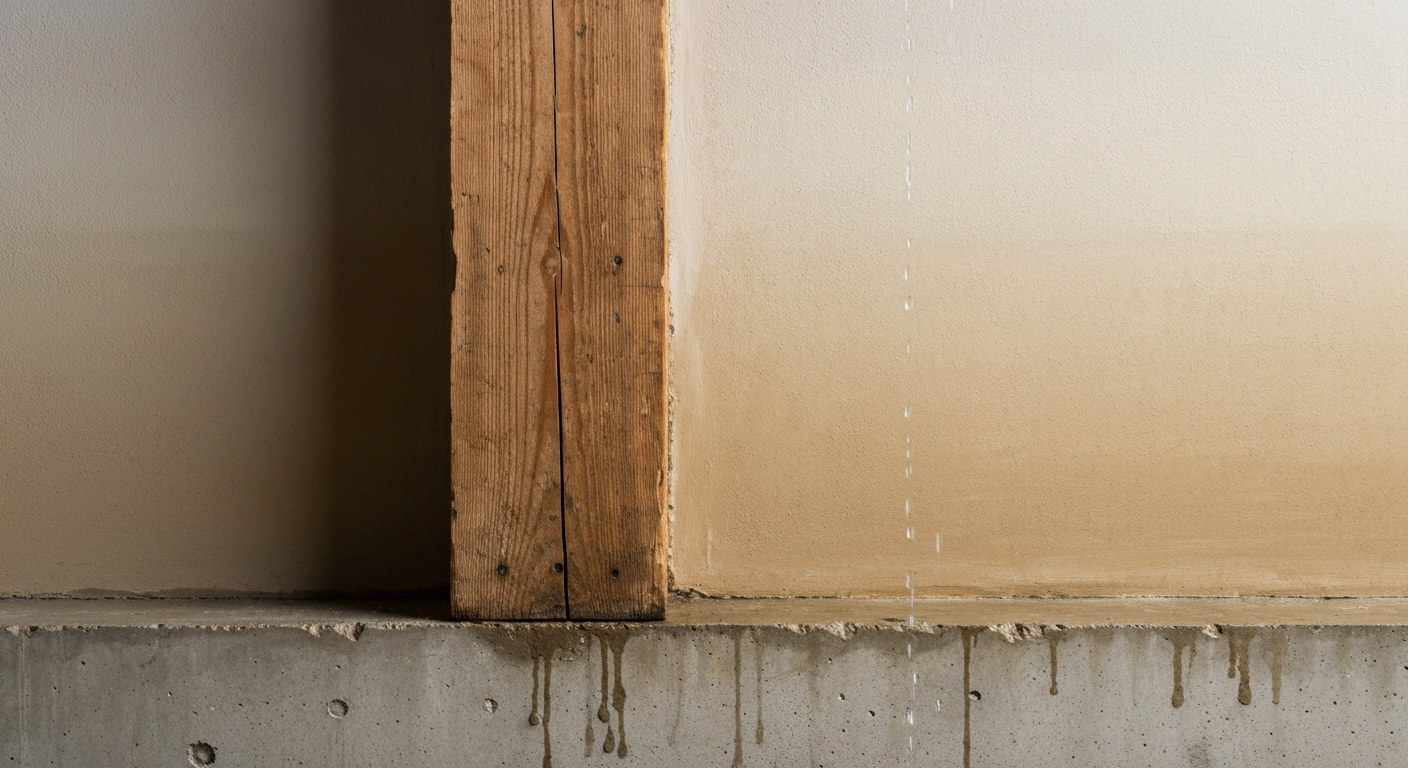
Saskatchewan's snowmelt is uniquely dangerous for basement flooding. Unlike a gradual melt in milder climates, prairie snowmelt can happen rapidly — a week of above-zero temperatures in March or April can release months of accumulated snowpack within days. The ground beneath that snow remains frozen solid, meaning the meltwater has nowhere to go except sideways and downward along whatever path of least resistance it can find. Frequently, that path leads to your basement.
Regina's lower-lying neighbourhoods — those near Wascana Creek and the Wascana Lake drainage basin — are particularly vulnerable. Cathedral Park, parts of the Warehouse District, and some older east-end neighbourhoods deal with high water tables that rise dramatically during spring melt. Even homes in areas that don't typically flood can experience basement intrusion during an unusually heavy melt year.
In Saskatoon, neighbourhoods near the South Saskatchewan River — including Nutana, River Heights, and parts of Silverspring — face similar challenges. The city's $54-million Flood Control Strategy, with dry storm ponds planned for Cumberland Park and University of Saskatchewan sites starting June 2025 and completing in 2026, addresses municipal-level flooding. However, individual homeowners still need to protect their properties at the foundation level.
The good news is that basement flooding is largely preventable with the right preparation. Here is what to check and address before the melt season begins.
If your home has a sump pump, testing it in late winter — before you need it — is the single highest-value action you can take to protect your basement. A sump pump that fails at 2 AM during peak spring melt can result in several inches of water in your basement before you're aware of it.
If your sump pump is more than 7–10 years old and hasn't been serviced, consider replacing it before spring melt rather than after it fails. The cost of a new mid-range sump pump ranges from $350–$550 installed, with battery backup systems adding another $200–$500 to the total investment. This is far less than the cost of a flooded basement, which can easily reach $10,000–$30,000 in water damage, mold remediation, and lost belongings.
Saskatchewan's spring storms frequently cause power outages during peak melt periods. A battery backup sump pump system provides 4–8 hours of pumping capacity during an outage — often enough to get through a storm until power is restored. Water-powered backup systems, which use municipal water pressure to create a venturi effect that pumps water out, are another option for homes with adequate water pressure. These systems require no electricity and can run indefinitely, though they use approximately one gallon of municipal water for every two gallons pumped from the sump pit.
Saskatchewan Building Code requires a minimum 2% slope (roughly 1 inch drop per 4 feet of distance) away from all buildings. The City of Regina specifically recommends that this grade be maintained for at least the first few feet from the foundation wall. This slope ensures that surface water — from rain, snowmelt, or hose use — drains away from your home rather than pooling against the foundation.
Over time, the soil around foundations settles and this grade is lost. Gardens placed against foundation walls can trap water against the house. Concrete patios that have heaved can direct water toward the house rather than away. A visual inspection after snowmelt reveals problem areas: look for standing water within 2 metres of the foundation.
Correcting poor grading is one of the most cost-effective foundation protection measures available. Adding topsoil and regrading to restore the proper slope is typically a day's work — far less expensive than addressing the water damage that poor grading can cause over years. Professional regrading services in Saskatchewan range from $2,000–$10,000 depending on the extent of work required, the amount of soil needed, and site accessibility. For minor corrections, homeowners can purchase topsoil for $30–$50 per cubic yard and perform the work themselves.
Regina and Saskatoon sit on heavy clay soil that expands when wet and contracts when dry. This soil has extremely poor drainage characteristics — water sits on the surface rather than percolating through. During spring melt, this means surface water remains at ground level far longer than it would in sandy or loamy soil, increasing the pressure against foundation walls. Proper grading becomes even more critical in clay soil conditions. The grade should direct water not just away from the foundation, but toward permeable areas like lawns or toward municipal drainage systems in lanes and streets.
The City of Regina recommends that downspouts discharge at least 1.0 metre from the foundation. This means the extension on your downspout should be at least 1 metre long and should direct water to an area where it drains away from the house. Saskatoon and other Saskatchewan municipalities have similar requirements aligned with provincial building standards.
Check each downspout in early spring. Winter can dislodge downspout extensions, and frozen debris can block discharge openings. A blocked downspout means all the water from that section of roof is draining against your foundation — exactly what you don't want during spring melt.
For optimal protection, extend downspouts 2 metres (6 feet) or more from the foundation. Use splash pads at the discharge point to prevent erosion and direct water flow. Flexible corrugated extensions cost $15–$30 each at hardware stores and can be installed in minutes. Rigid PVC extensions, which are more durable and less likely to be damaged by lawn equipment, cost $30–$60 per downspout installed.
Rain barrels capture roof runoff for later use in gardens while preventing that water from overwhelming foundation drainage during heavy melt periods. A single rain barrel holds 200–300 litres of water. During spring melt, this capacity can fill quickly, so ensure your rain barrel has an overflow hose that directs excess water at least 2 metres from the foundation. Rain barrels cost $80–$200 depending on capacity and features.
Basement window wells accumulate snow through winter and can fill rapidly during snowmelt if the drain at the bottom is blocked or absent. A flooded window well puts direct hydrostatic pressure against the basement window — a common source of basement water infiltration in Saskatchewan homes.
Before spring melt: clear any debris from window well drains, ensure the drain is functional (pour a bucket of water into the well and confirm it drains away rather than pooling), and consider adding window well covers if flooding has been an issue in the past.
Window well covers prevent snow accumulation and keep debris out of the well throughout the year. Clear polycarbonate covers allow light into basement windows while providing protection. Covers cost $200–$500 each installed, depending on size and material. For homes with multiple basement windows, this represents an investment of $800–$2,000, but it eliminates one of the most common basement water entry points.
Your home's weeping tile system (perimeter drain around the foundation) is the last line of defence against hydrostatic pressure. Older clay tile systems clog with silt and roots over decades of service. Signs of weeping tile problems include persistent basement dampness after rain or snowmelt, efflorescence on interior foundation walls, and floor-level moisture in finished basements.
A plumber with a drain camera can inspect weeping tiles and determine if they are clear and functional. This inspection typically costs $165–$400 and can identify problems before they cause basement flooding. In homes where the weeping tile system has failed and basement flooding is a recurring problem, interior waterproofing systems (interior drain tiles, dimple mat, interior sump pit) can be installed without the cost and disruption of full exterior excavation.
Full weeping tile replacement requires excavating around the foundation perimeter and costs $10,000–$30,000 or more depending on home size and site conditions. This is a major investment, but it permanently solves foundation drainage problems. Interior waterproofing systems, which manage water that enters the foundation rather than preventing entry, cost $5,000–$15,000 and are less disruptive to install.
A backwater valve (backflow preventer) installed on your main sewer line prevents municipal sewer water from backing up into your basement during heavy rain or snowmelt periods when the municipal system is overwhelmed. This is particularly important in older neighbourhoods where combined storm and sanitary sewers can surcharge during peak flow periods.
Backwater valve installation costs $1,000–$3,000 and requires a licensed plumber. The valve must be accessible for maintenance, so it's typically installed in a basement floor access pit. Some municipalities offer rebates or cost-sharing programs for backwater valve installation — check with your local public works department.
Saskatchewan's freeze-thaw cycles — more than 100 per year in Regina and Saskatoon — cause foundation concrete to crack over time. Small cracks (less than 3mm wide) can be sealed with hydraulic cement or epoxy injection. Larger structural cracks require professional assessment and repair.
Foundation crack repair costs vary widely based on crack size, location, and repair method. Surface sealing of minor cracks costs $250–$500 per crack. Epoxy or polyurethane injection for active water leaks costs $500–$1,500 per crack. Major structural repairs requiring excavation and external waterproofing can cost $3,000–$10,000 or more.
Inspect your foundation walls annually, both inside and outside. Look for new cracks, widening of existing cracks, or water staining that indicates active leakage. Address foundation cracks before spring melt — once water is actively entering through a crack, repair becomes more difficult and expensive.
| Protection Measure | Cost Range (CAD) | Priority Level |
|---|---|---|
| Sump pump testing/service | $120–$250 | Critical |
| New sump pump installation | $350–$550 | Critical if absent/old |
| Battery backup system | $200–$500 | High |
| Downspout extensions (4 downspouts) | $60–$240 DIY / $120–$400 installed | Critical |
| Grading correction (minor) | $500–$2,000 | High |
| Grading correction (major) | $2,000–$10,000 | High |
| Window well covers (per window) | $200–$500 | Medium |
| Weeping tile inspection | $165–$400 | High if issues suspected |
| Backwater valve installation | $1,000–$3,000 | High in flood-prone areas |
| Foundation crack sealing | $250–$1,500 per crack | High if active leaks |
A comprehensive basement flood protection program for a typical Saskatchewan home costs $2,000–$5,000 for homes with existing functional systems requiring updates, or $5,000–$15,000 for homes requiring major drainage improvements or system installations. This investment protects against water damage costs that typically range from $10,000–$50,000 when flooding occurs.
The ideal time to implement basement flood protection measures is late winter — February through early March — before spring melt begins but after the coldest weather has passed. This timing allows contractors to work in reasonable conditions while ensuring systems are ready before melt season.
Avoid waiting until April or May. By then, contractors are overwhelmed with emergency calls from homes already experiencing flooding. Sump pumps are sold out at hardware stores. Plumbers are booked weeks in advance. Material costs rise due to demand. Most importantly, you're implementing protection after the
For professional assistance with any home repair needs, contact Hey Fix It Pro at 639-739-0855 for a no-obligation assessment and quote.
